Lessons from Music City
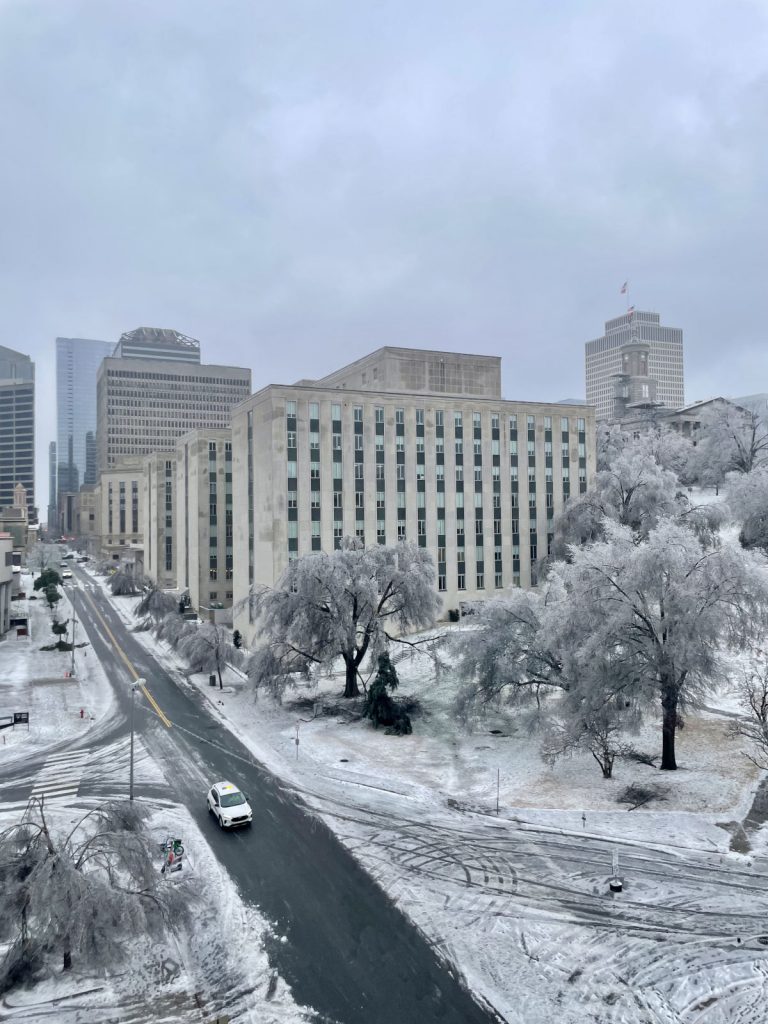
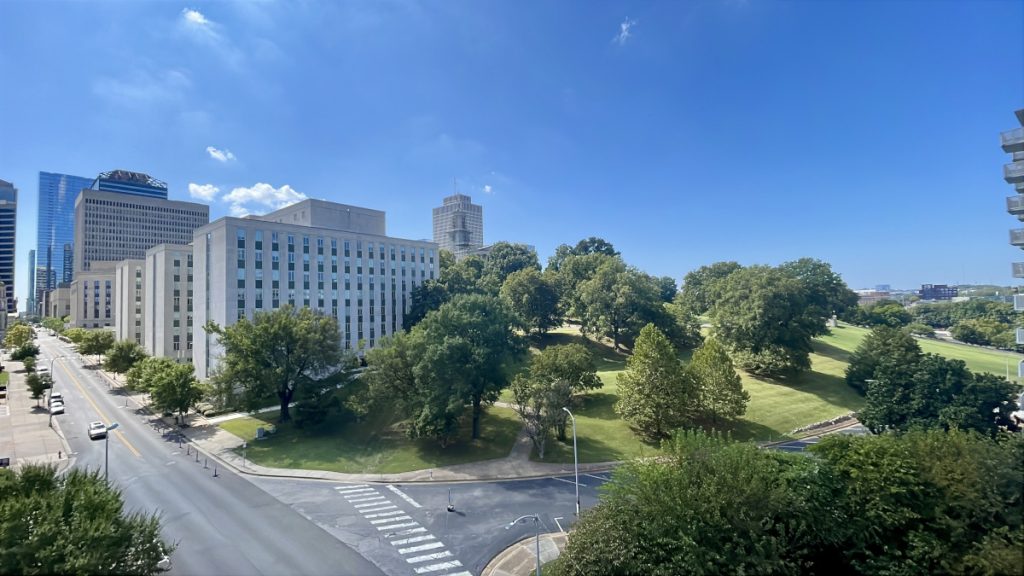
Summer is always an exciting period, and for me the summer of 2025 marked the beginning of a remarkable new chapter. I will never forget the rush of the first week, staying in an Airbnb while still making plans to settle in an urban and social context that was completely unfamiliar to me. In the end, Nashville welcomed me far better than I could have expected.
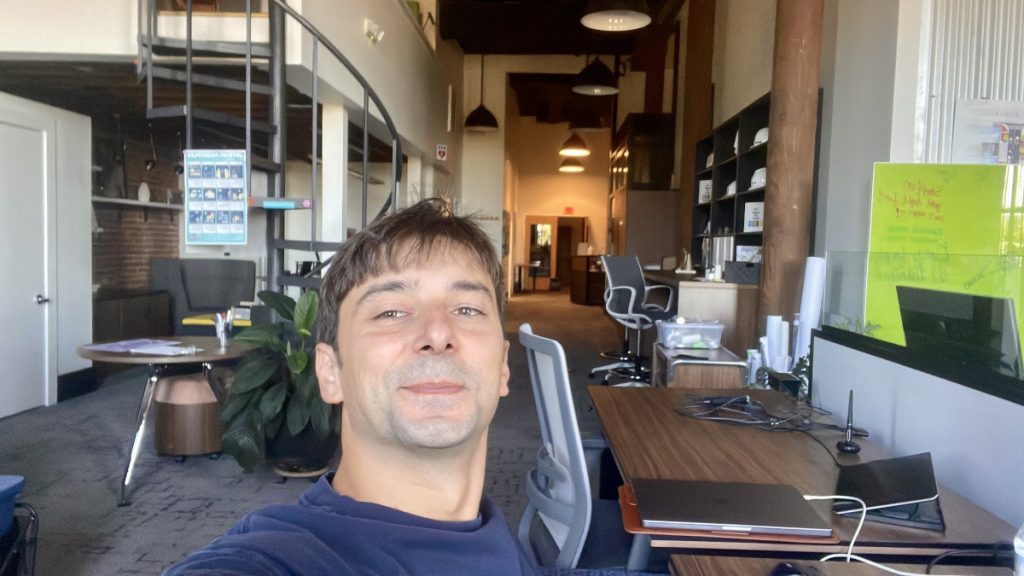
The first two weeks were a deep dive into the history of the Civic Design Center and its ongoing work. I spent time studying the core plans that have guided the development of the city. Understanding these documents helped me better make an idea of both the past and the future of Nashville and provided context for how I would spend my time in Tennessee.
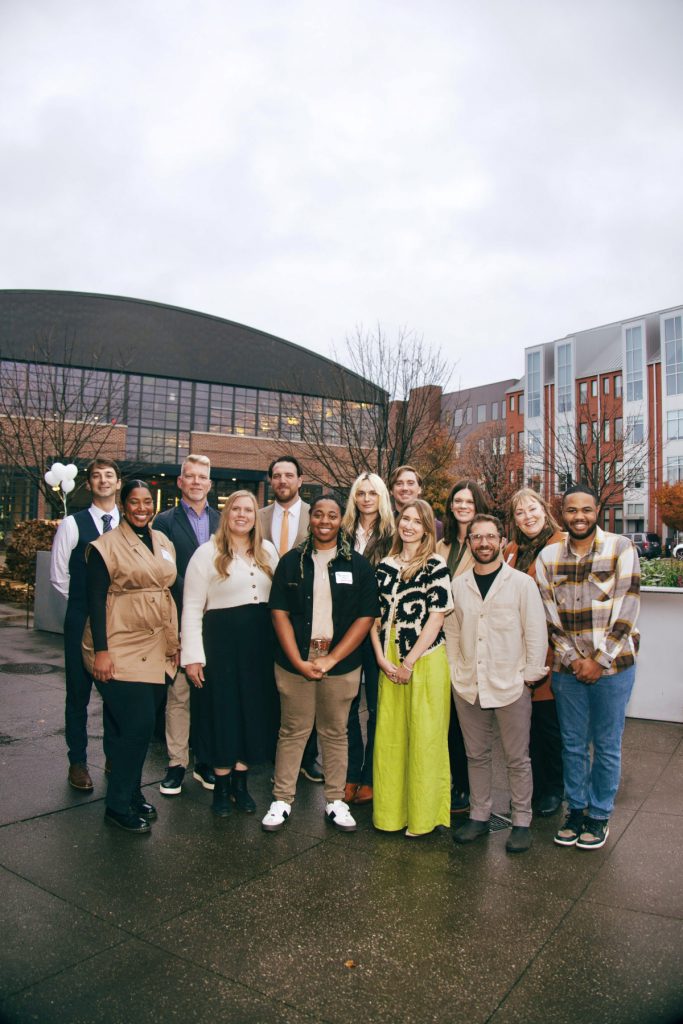
When my parents asked me what kind of organization I was working for, I used a simple explanation, “a cushion or buffer between public administration and the community”. In reality, the role is much broader. I was fortunate to join a team that persistently follows the goals and ideals of a group of professionals who, twenty-five years ago, decided to dedicate their expertise to making Nashville a better place to live.
To a professional peer, I would describe their work in the following way:
“Their work brings together people, ideas, and disciplines that do not always meet in the same space. By connecting different fields and actively engaging communities, they help shape conversations that are more inclusive and grounded in real experiences. They explore design visions that look ahead by combining social, spatial, and environmental thinking to imagine more thoughtful and sustainable ways of shaping a city’s public spaces. Through sharing knowledge and advocating for what is right, they break down complex topics so they become easier to understand and open to wider participation.”
Working with the Civic Design Center was a privilege. From this experience I took away two guiding principles: be patient with yourself so you can give your best, and be persistent in your work so that it becomes the best contribution you can offer to the community.
Being positioned at the intersection of so many streams of information, from public administration, private operators to community representatives, made the experience particularly valuable. Conversations with colleagues about planning theory, best practices, and ways to test ideas in real environments reinforced the feeling that I was in the right place. It left me both satisfied with my choice and excited about how these influences will shape my future work.
My primary task involved analyzing published plans related to mobility and green infrastructure within the context of Tennessee, the United States, and internationally. The objective was to examine both the benefits and externalities of infrastructure investments and mobility services related to everyday passenger transport. Thanks to the open data provided by the Metropolitan Government of Nashville and Davidson County, I was able to build a GIS database to analyze the characteristics of each neighborhood and the spatial coverage of mobility plans implemented over the past decade.
Once we were able to describe infrastructure and services quantitatively, we began exploring how future projects, such as bike lane network expansions, greenway development, and extend services, could transform the daily life of commuters and residents of Nashville.
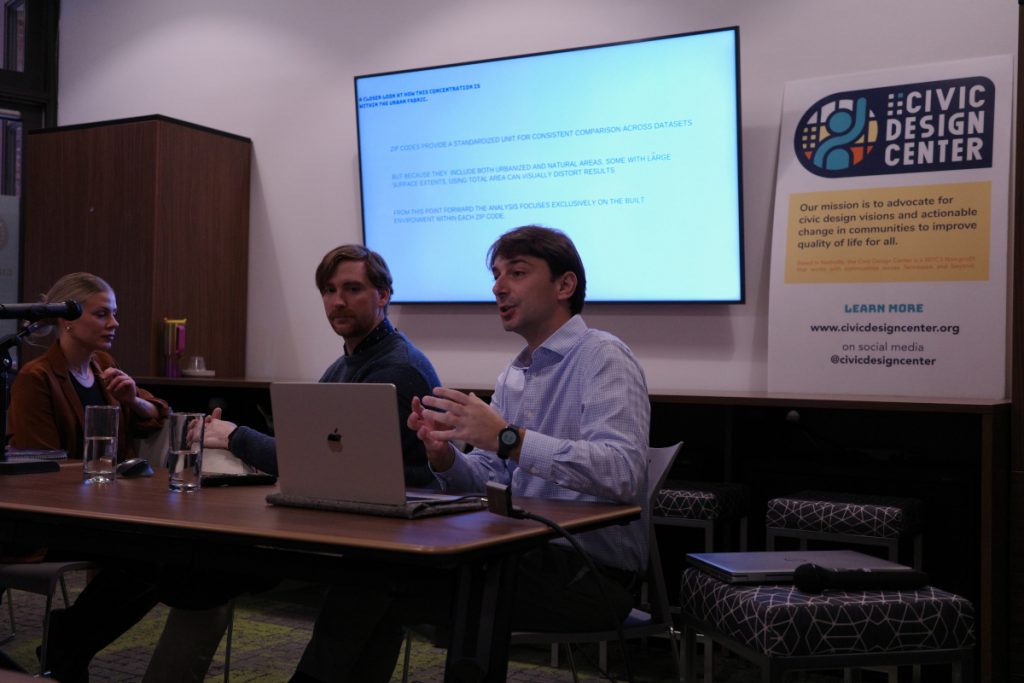
As my final project, I explored micromobility as a service as a strategy to improve accessibility in Nashville’s outer neighborhoods. The research involved empirical analysis of population fluctuation, infrastructure development, and public transit coverage, all represented through spatial mapping. A comparative analysis across ZIP codes areas in the Nashville Davidson area was conducted using a compound accessibility index, designed to identify and rank the areas with the greatest need and potential better outcome from its implementation.
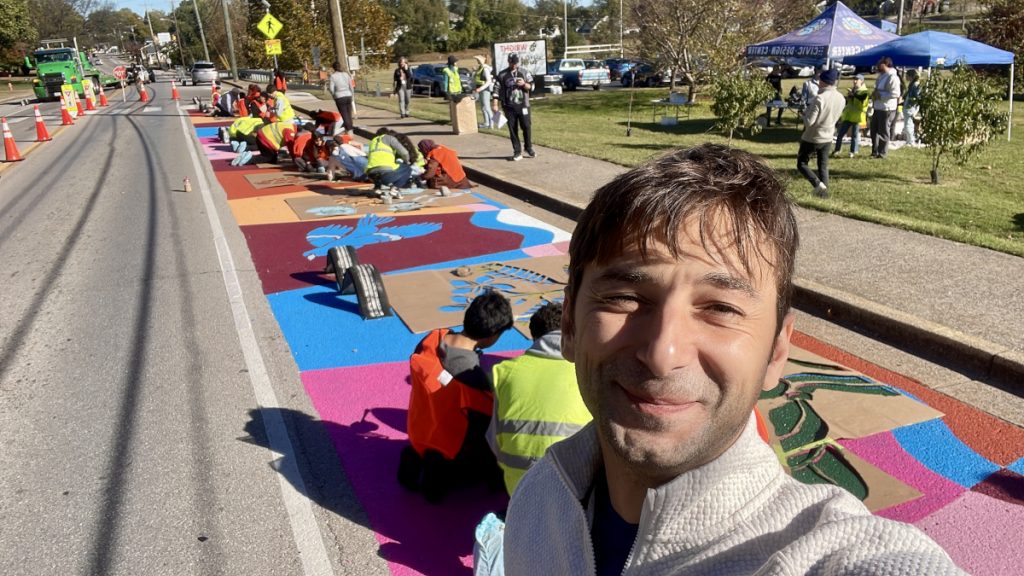
Beyond research and analysis, I also had the opportunity to participate directly in street interventions that the staff had been discussing and planning for weeks. One such project involved transforming a traditional intersection into a small roundabout in order to calm traffic and improve safety.
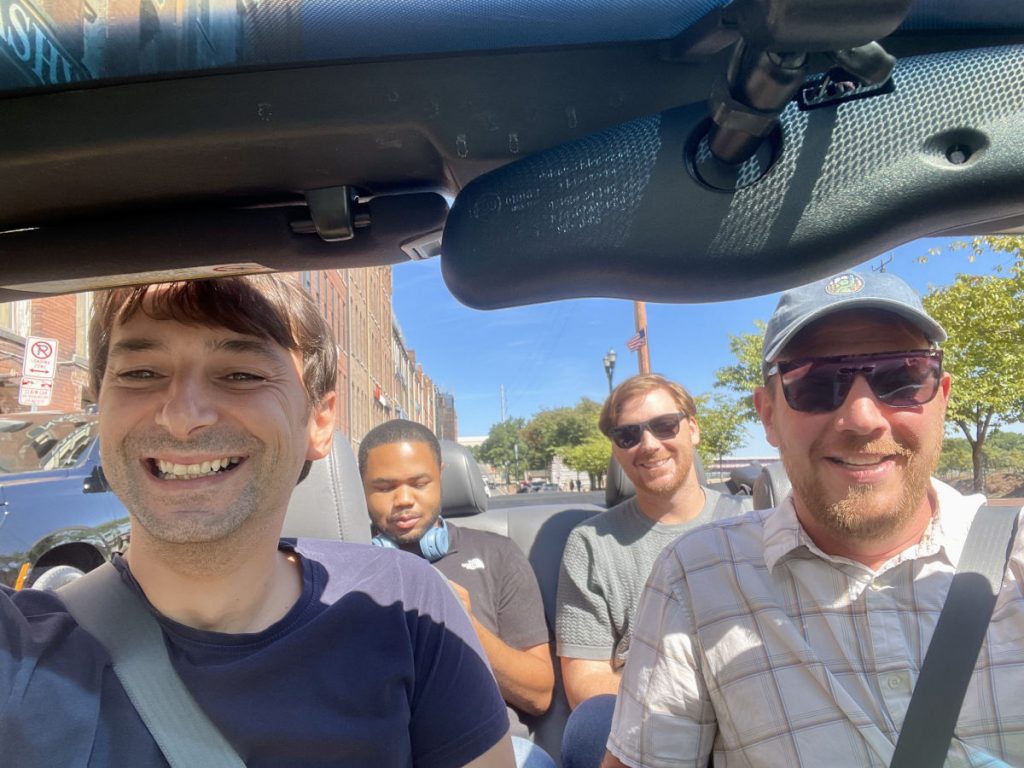
With materials and tools loaded into the truck, and I must say that driving a mid 80s Ford F‑150 long-bed pickup turned out to be far cooler than I had imagined and each of them carries a family history worth hearing about, we headed to a neighborhood near downtown Nashville. After a long day installing vertical signage, painting road markings, and placing temporary traffic elements, we could immediately observe how the intervention influenced driver behavior, pedestrian safety, and the reactions of local residents. Seeing the direct impact of our work also strengthened the team’s morale and sense of accomplishment.
Similar experiences took me to places across Nashville that I had never imagined visiting in my life. We left behind colorful public spaces on Antioch Pike for the children of Wright Middle School, organized a parklet design competition in Germantown for students from Belmont University, and worked on safer intersections for residents in Chestnut Hillsboro.
Through these projects, I also had the chance to interact with members of the public administration. I met professionals who were knowledgeable, open to dialogue, and willing to use data to test and challenge their own assumptions in a constructive way. Sharing ideas, asking questions, and discussing possible solutions for the city’s urban context was always a rewarding experience.
Beyond my daily work, I attended conferences in Nashville and Chattanooga where I listened to people who had spent years developing ideas about how to build more pedestrian friendly infrastructure and transportation services that provide citizens with greater mobility choices and freedom. What struck me most was the openness with which professionals shared their methods, tools, and lessons learned.
I will always remember the kindness of the president of a mobility service provider in Middle Tennessee who invited me to spend a day shadowing their operations to better understand their work and future plans. I also appreciated the willingness of a mobility engineer, who had helped draft mobility plans for the city, to accept a dinner invitation where I could ask questions about their work in the Nashville context.
If the United States often describes itself as “the land of opportunity,” it must be because of its people and their willingness to share knowledge, tools, and space for new ideas.
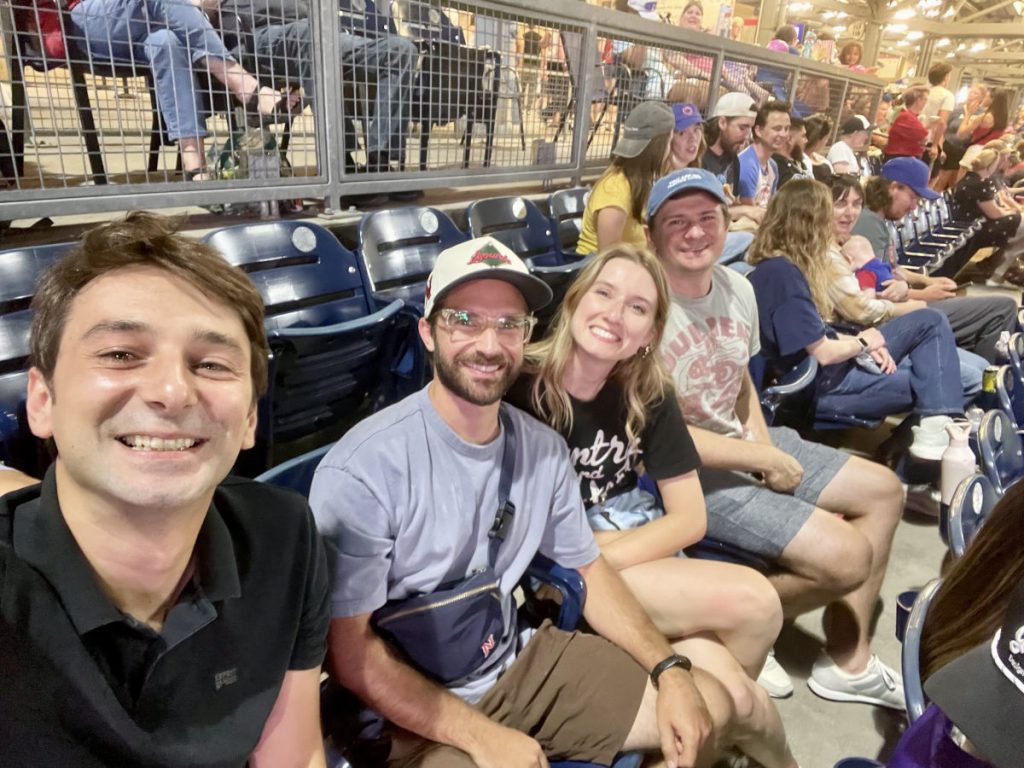
Outside of work, Nashville also offered unforgettable cultural experiences. I attended performances by the Nashville Symphony, listened to country musicians on Broadway, and enjoyed jazz, blues, and R&B performances in Printer’s Alley echoes of the historic musical heritage of Jefferson Street in East Nashville. I spent a night at an all night art performance at The Forge, became a member of the Frist Art Museum, attended my first baseball game, and watched my first rodeo.
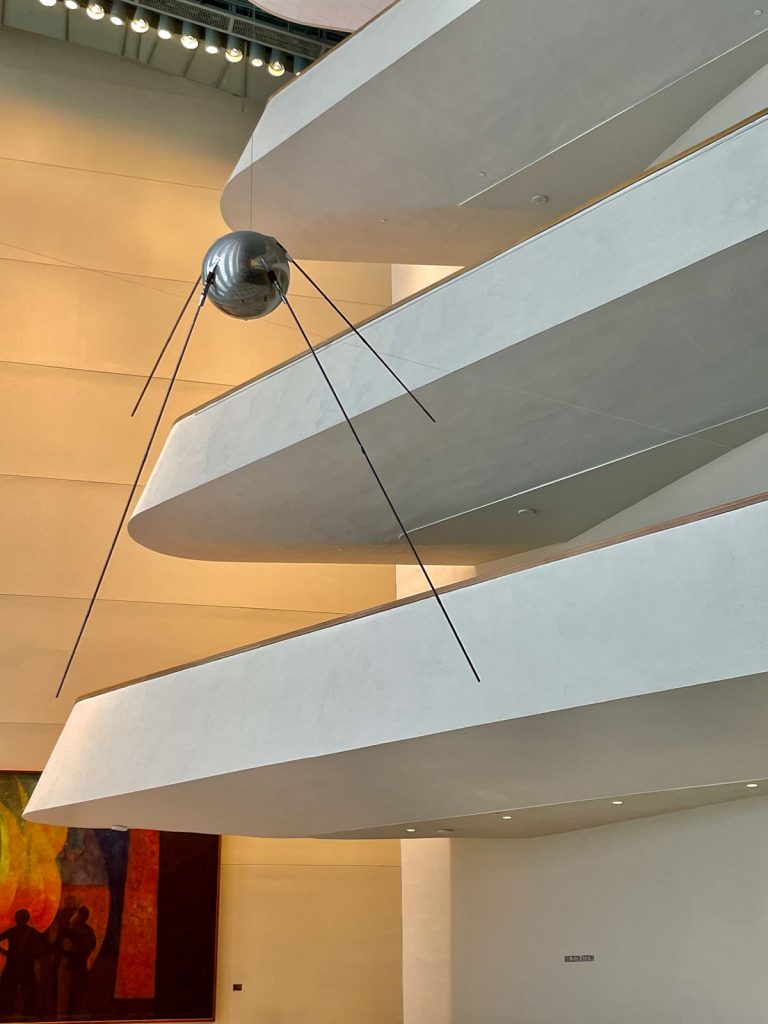
During this period I also visited Miami, New York City, and Philadelphia. I met people who will likely play a role in my future, reconnected with old friends, and checked several items off my bucket list: visiting the Solomon R. Guggenheim Museum, touring Ladder Company 10 & Engine Company 10 Firehouse, exploring the United Nations Headquarters, and attending a Friday-night comedy show.
Just as the Civic Design Center emerged alongside Nashville’s ambitious long-term planning efforts, it also reflects something broader, the power of civic awareness and initiative. Cities do not need to be global metropolises to offer high quality of life. Active communities, social awareness, and thoughtful planning can make any city a better place to live.
I would also like to express my sincere gratitude to the MIP Program, Its dedicated team and AADF for making this experience possible. The opportunity to spend this period in Nashville, learning, working, and engaging with professionals and communities, has been truly valuable for my personal and professional growth. I deeply appreciate the trust, support, and openness that the program offered to its participants!
Elton Zorba