Learning Beyond the Classroom: Experiential Education and Industry Connection

During my studies in the United States, two elements of the educational system have stood out to me the most and are practices I would strongly like to see expanded in Albania. The first is the depth and structure of extracurricular activities, and the second is the close, active connection between universities, their alumni networks, and industry leaders.
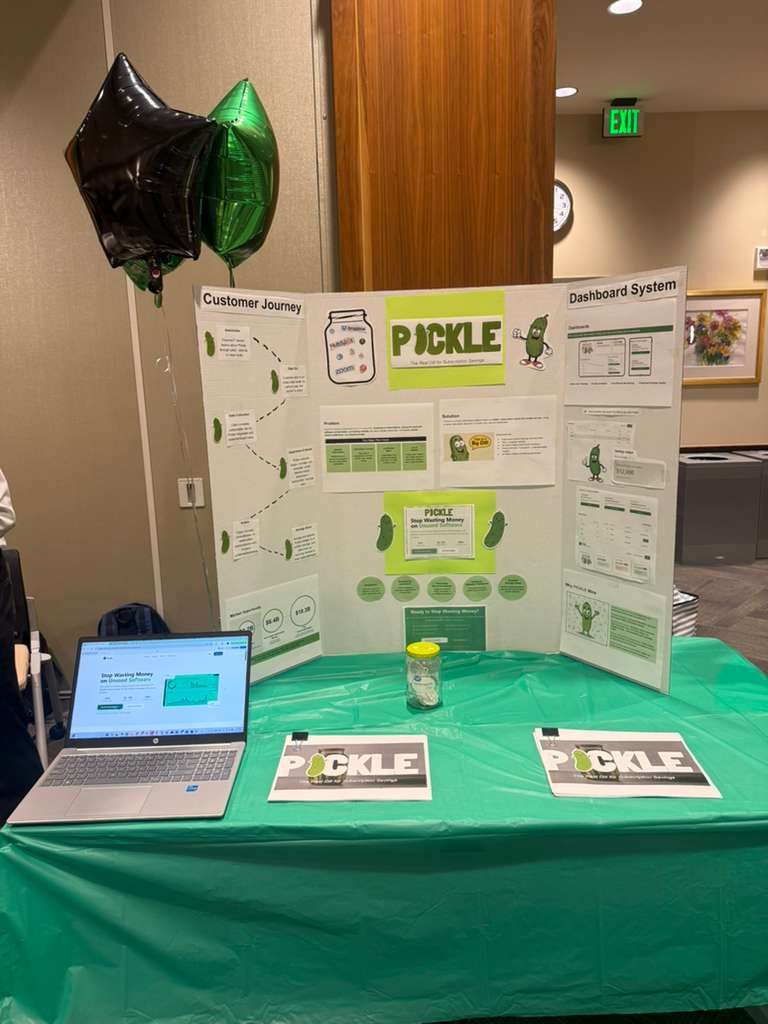
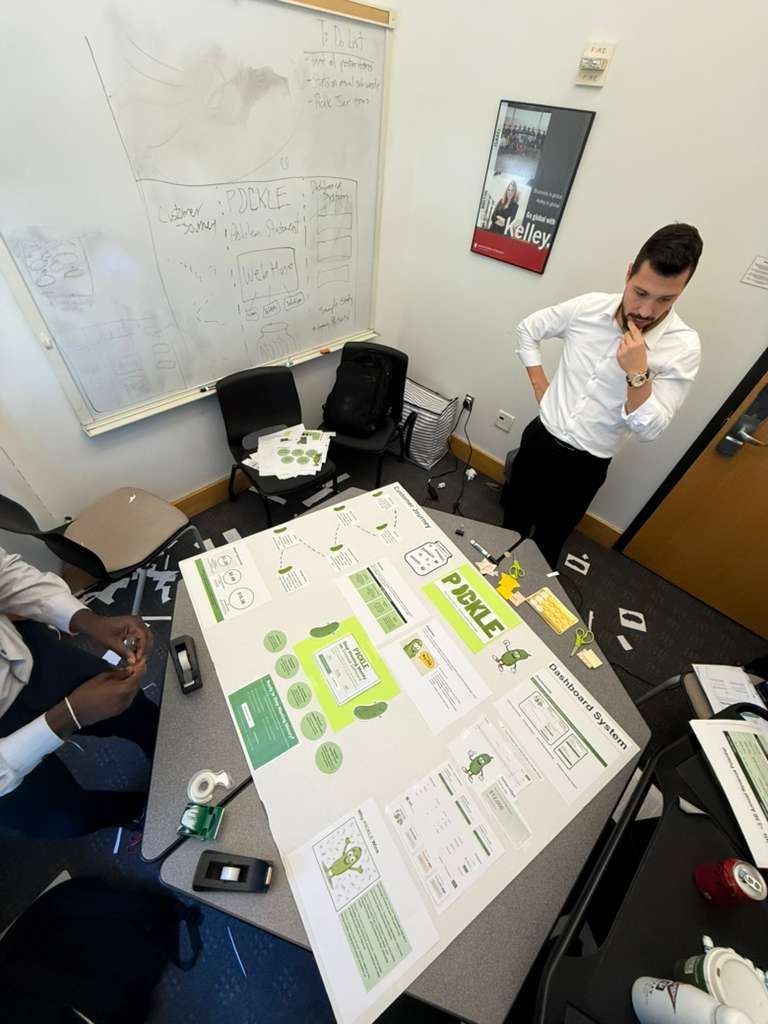
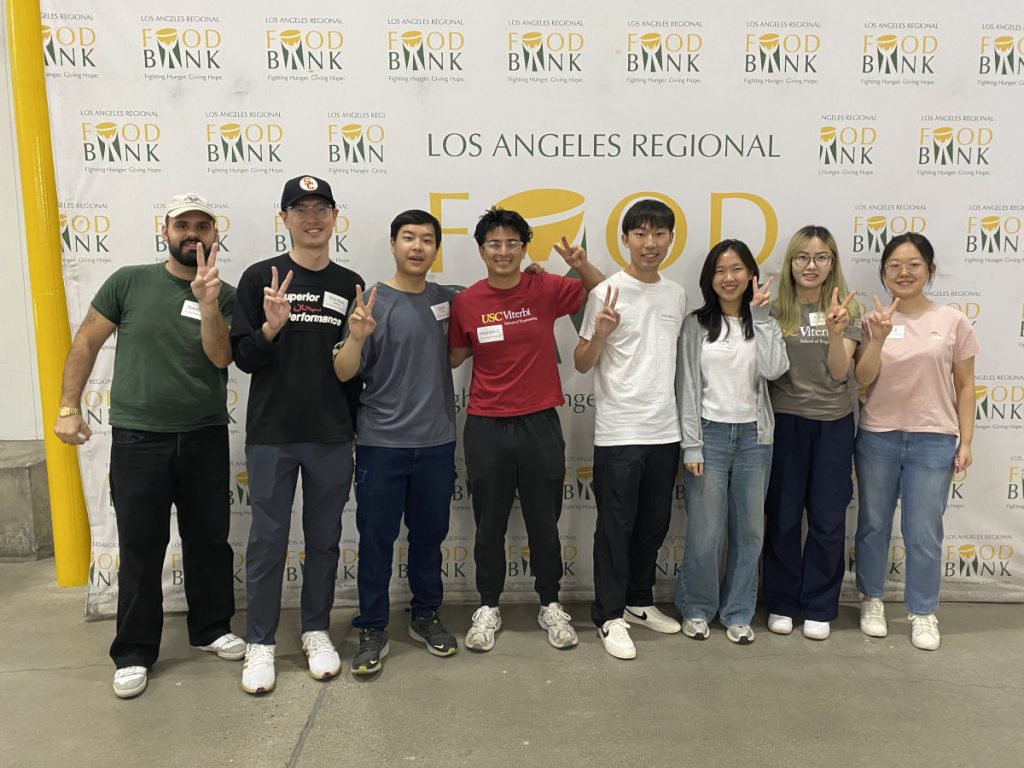
Extracurricular engagement here is not treated as something secondary to academic work. It is an integrated part of the learning experience. Universities regularly organize case competitions, startup sprints, consulting challenges, simulations, and student-led initiatives that require students to apply classroom knowledge to real-world problems. These activities take place continuously throughout the academic year, creating an environment where students are constantly learning by doing. For example, in the photos attached, my team and I, assigned randomly by the school, spent three intensive days preparing for a startup sprint competition. Working under time pressure, we had to develop a business concept, structure a viable model, and present our solution to a panel of judges. The experience pushed us to collaborate quickly, divide responsibilities effectively, and make decisions with limited information. Our team ultimately won the competition, but more importantly, the process demonstrated how powerful hands-on learning can be in building leadership, teamwork, and problem-solving capabilities. Establishing a similar culture of structured competitions and experiential projects in Albanian universities would significantly strengthen students’ practical preparation before entering the workforce.
The second aspect I greatly value is the strong and consistent connection between universities, alumni, and industry. Throughout the academic year, universities regularly bring in company leaders, senior managers, and successful alumni to speak in classes, host workshops, and participate in networking sessions. Many alumni actively volunteer their time to schedule coffee chats with students, share honest insights about their career paths, and offer practical advice on navigating industries and professional environments. These interactions give students a clearer understanding of how academic concepts are applied in real business contexts and help them develop professional networks early in their careers. The relationship does not feel symbolic; it is structured, frequent, and encouraged by the institutions themselves.
Bringing these two elements together, strong extracurricular ecosystems and active university–industry–alumni collaboration, would meaningfully enhance the educational experience in Albania. Students would graduate not only with theoretical knowledge but also with practical exposure, professional connections, and the confidence that comes from working on real problems in team-based environments.
Erjon Tafaj, MBA Candidate, Kelley School of Business.